

We incubate and sponsor mission-relevant ventures, fund research, and support projects and prizes to accelerate breakthroughs in longevity. Want to help?
Featured News



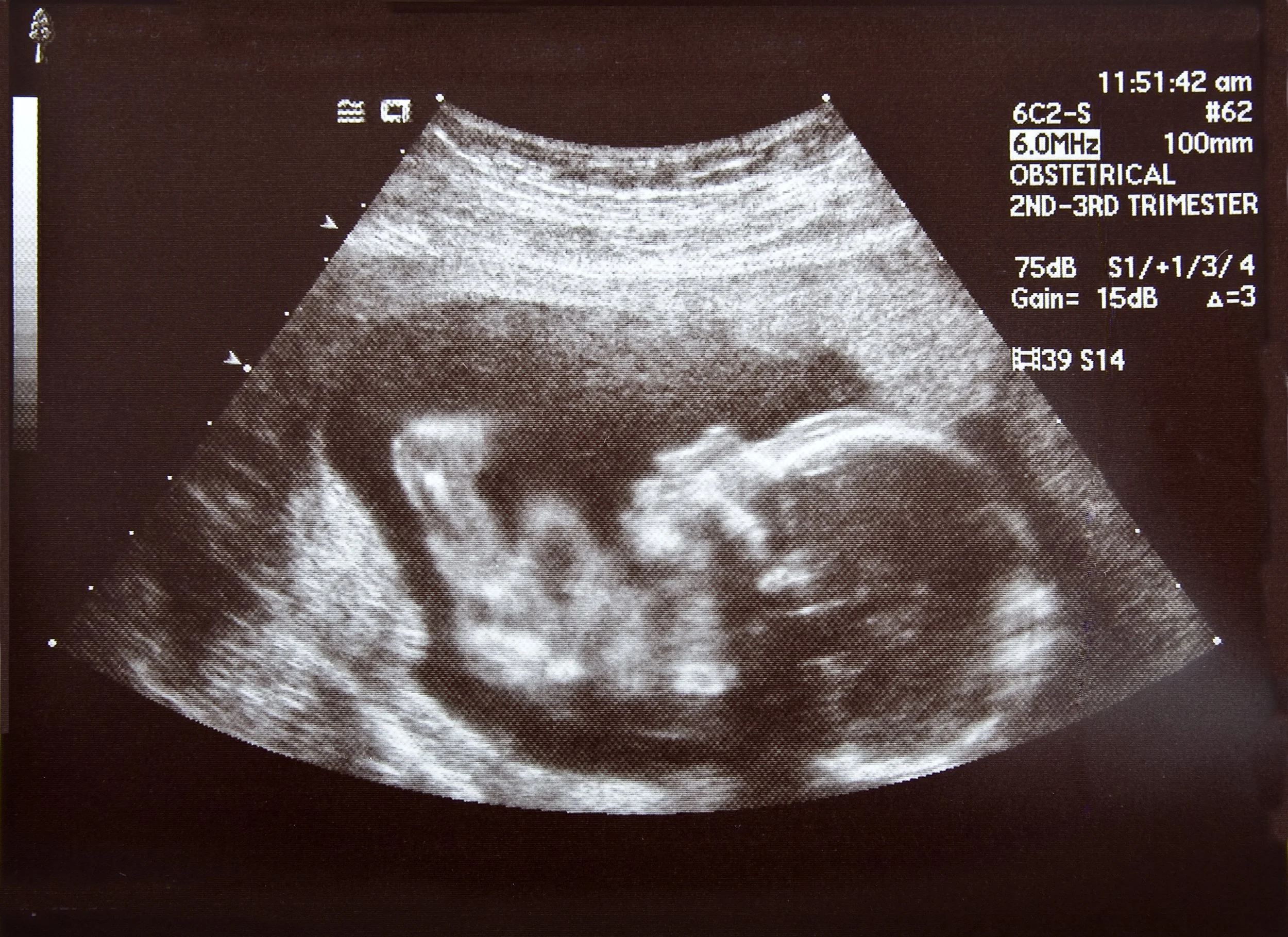

Our mission is the driving force behind our success… see for yourself:
Who Are We?
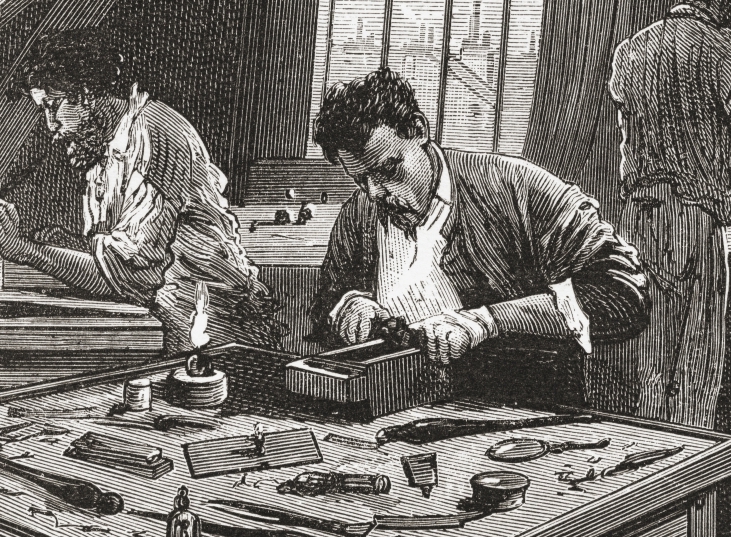
We're a biomedical nonprofit charity co-founded in 2001 by David Gobel and Dane Gobel. We consider ourselves an iconoclastic organization. Our mission-first culture is pursuing six core strategies to make 90 the new 50 by 2030.
Successful Results

When we began to carry out our mission, it was widely considered foolish and secularly dangerous to work on extending healthy human life. See how Methuselah, its partners, and donors have transformed the scientific and cultural outlook over the last 21 years.
Get Involved

Help move the needle! You can donate and if you are mission-driven like us, help us push longevity-related projects into the marketplace. Join the forward-thinking savants who are making a difference in extending healthy human life.
Our Achievements
Keep Up With the Latest
Subscribe to our newsletter. We promise to keep it interesting, not to bug you too much, nor give your email to anyone else.